Regenerative Agriculture 101
Regenerative Ag is a Farm Management Tactical Decision
Soil health faces a range of risks, and there are examples where management approaches can adversely affect it.
Back in 2023, when AAFC focused on soil health as part of a sustainable ag strategy, the soil health committee defined and recommended the following outcomes for healthy soil. These are:
- Healthy soils:
- Do not blow away
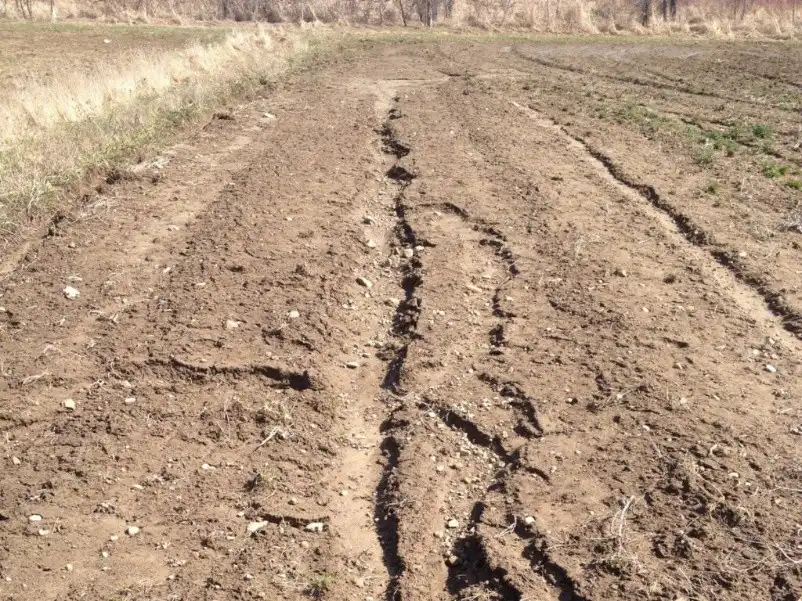
- Do not wash away
- Do not pool water
- Do not crust
- Do not kill plants

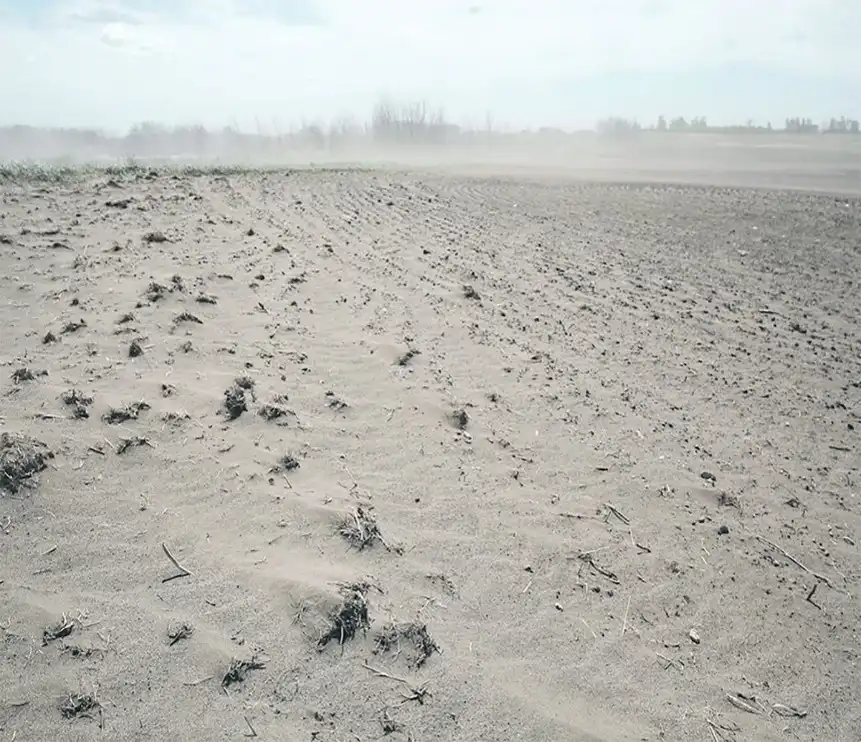
Looking at the various organizations that promote the regen cause, let’s quickly refresh on the tactics they promote:
- Minimize mechanical soil disturbance as part of their agricultural operations.
- Keep the soil covered year-round.
- Keep living roots in that soil.
- Improve the biodiversity of the soil and the above-ground environment.
- Add animals.
The CSA is considering setting standards for this grouping or labelling of activities and has concluded that the outcomes of these activities may not be based on soil health and may instead target social concepts or social improvements.
The outcomes fall into several debates. In short, these are:
- The livelihood of a farm and associated lifestyle.
- The resilience of a food system to deliver a food staple in a form to meet the
lifestyle of that consumer. - A food production system will rebuild a community.
- A food production system will return lost empowerment to a community.
- A food system builds capacity at all segments.
As this discussion circles back to farm management, each farm manager must examine a series of risk environments (at least once a year) on that operation.
These would be:
- Production Risk – Getting a product to sale day and sold.
- Marketing Risk – Finding the best price the buyer is willing to pay on that sale day.
- Financial Risk – Accessing cash and spending cash in the most efficient way possible.
- Human Resource Risk – The human component to make the best decision with limited resources and data.
If I look at the first three tactics (living roots, minimal disturbance and soil cover), they are reasonable measures to address the immediate risks of keeping your soil from washing or blowing away, and yes, tornadoes and extreme rainfall events notwithstanding.
The concept of a regen label attached to the commodity is in its infancy in terms of providing price differentiation.
Adding an animal enterprise does change the financial and HR risk matrix.
It is too early yet to tell if a positive change in biodiversity is an effective risk mitigator.
In the end, these tactics become a lever when the farm or supply chain defines the real risk (problem).
Why is it important to examine these ideas as tactics rather than as outcomes in their own right?
Supply chains are seeing market opportunities to differentiate their products from competitors. PepsiCo is a good example with their regen program. These supply chains face a set of risks of their own. These include:
- Supply volatility.
- Quality of raw product (initial and transportation-induced).
- Source turnover.
- Water availability (rain for production and manufacturing).
- Changes in market governance (rule changes).
- Investor confidence to receive a dividend.
- And yes, emissions targets.
It remains unclear to date whether adopting a regen tactic for a supply chain addresses the same risk matrix as an individual agricultural operation.
It would be prudent to examine the tactics on their own merits to address a farm risk, not a corporate one.
The backstory
In 1980, Alan Savory began the discussion around an organizing framework to put a business into an agricultural landscape.
His insights added a holistic perspective to the business management process. He observed resting lands restore environments. He also discussed matching the environment to the farm business. We knew overgrazing was bad and a focus was needed to shift from on the time grass and soils were exposed to the animals of the business to the time the grass and soils was rested.
By 1989, several academic papers started using the phrase ‘working with nature’ and attempted to define the principles covering soil fertility, pest management, plant breeding and animal-crop systems. The dialogue and discussion were process focused and shied away from outcomes.
Ten years later, papers and authors moved from production and agronomy and started to add issues of food attributes and claiming profitability attributes.
It also got complicated, with several synonymous farming terms describing the same principles as regenerative agriculture:
- Agroecological Farming
- Alternative Agriculture
- Biodynamic Agriculture
- Carbon Farming
- Nature Inclusive Farming
- Conservation Agriculture
- Green Agriculture
- Organic Regenerative Agriculture
- Sustainable Agriculture
Since then, growers have taken this holistic approach and expanded it to social and generational causes. The discussion also moved to outcomes and less on process-based decisions.
From an agronomic perspective, most of the discussion is focused on five approaches:
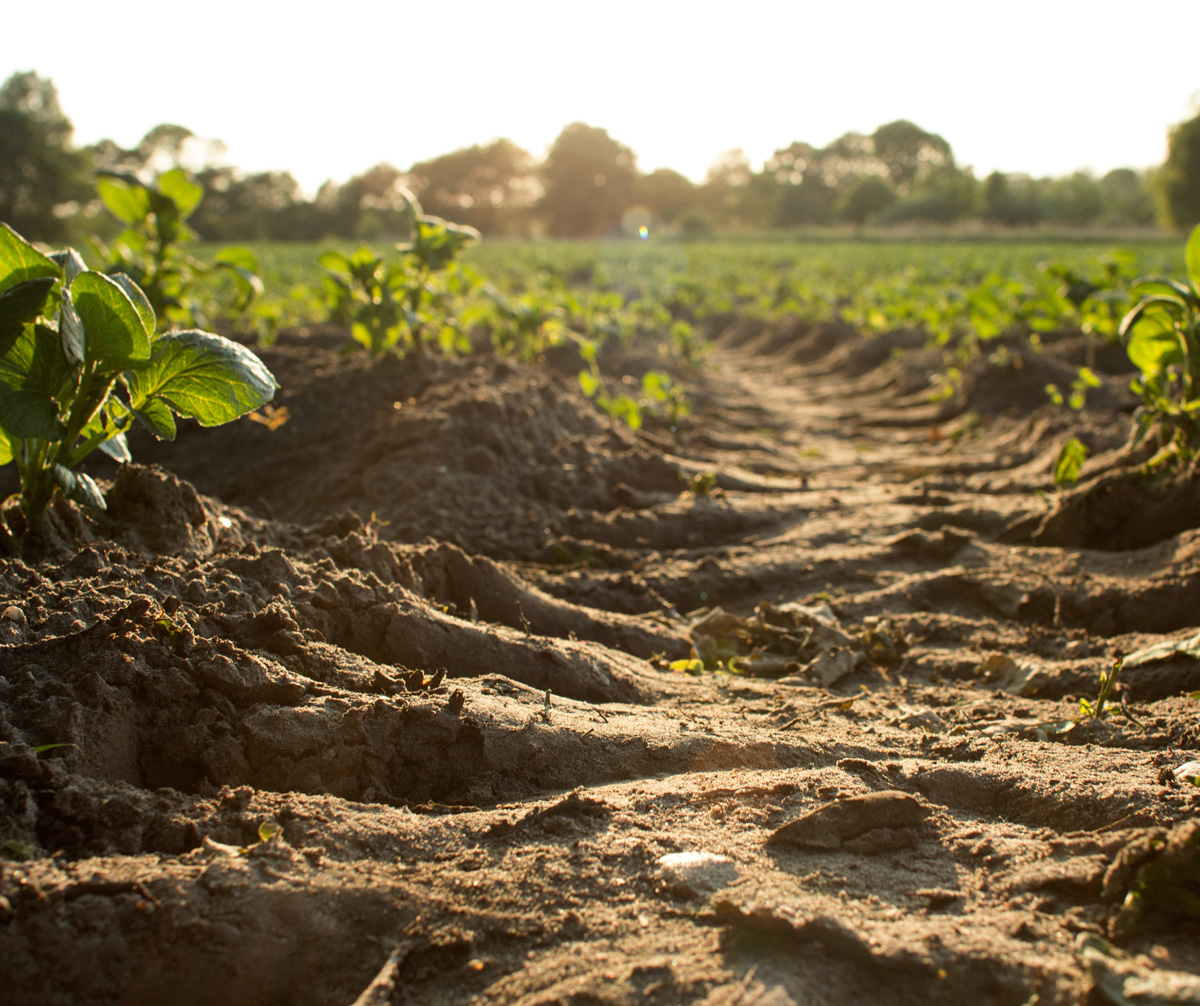
- Keep the soil covered.
- Have living roots year-round.
- Minimum soil disturbance.
- Integrate livestock.
- Maximize crop diversity.
Why area outcomes important?
Outcome-based definitions attract external stakeholders who are seeking the same outcomes. Authors discuss forms of agricultural practice that actively restore soil quality, biodiversity, water quality, and other attributes.
By 2021, regenerative agriculture is a social movement. Multiple papers and organizations are using the terms. There was overlap depending on the scope – land management to social advocacy. Issues of food quality and lifestyle were also being framed and discussed.
The most frequently asked questions
- Does a lifestyle producing a raw food product translate into a clear understanding of measurable food quality?
- Does an outcome claim enhance or distract consumer trust?
- Does an outcome claim enhance market segregation and product differentiation?
- Does this movement provide quality information for public policy development?
A few caveats and limitations worth sharing
The work completed by researchers and descriptions in peer-reviewed publications, are not matching the work, books and advocacy reports of stakeholders and promoters.
In some cases, process-based production systems have a direct link to a values-based outcome. Certified organic food products are a great example.
Two ideas to think about
- To be valuable and repeatable, the development of any best management practice should have a coefficient as an outcome.
- Outcome-based decision-making can impair values-based processes.
Where can I find more information?
- Special Report on “Climate Change and Land” by the Intergovernmental Panel on Climate Change. https://www.ipcc.ch/srccl/cite-report/
- General Mills has pledged to advance regenerative agriculture. https://www.generalmills.com/en/Responsibility/Sustainability/Regenerative-agriculture
- The Climate Reality Project – Regenerative Agriculture and Municipal Climate Action Plans. https://climaterealityproject.org/blog/regenerative-agriculture-and-municipal-climate-action-plans
- What Is Regenerative Agriculture? A Review of Scholar and Practitioner Definitions Based on Processes and Outcomes. https://www.frontiersin.org/articles/10.3389/fsufs.2020.577723/full#B54